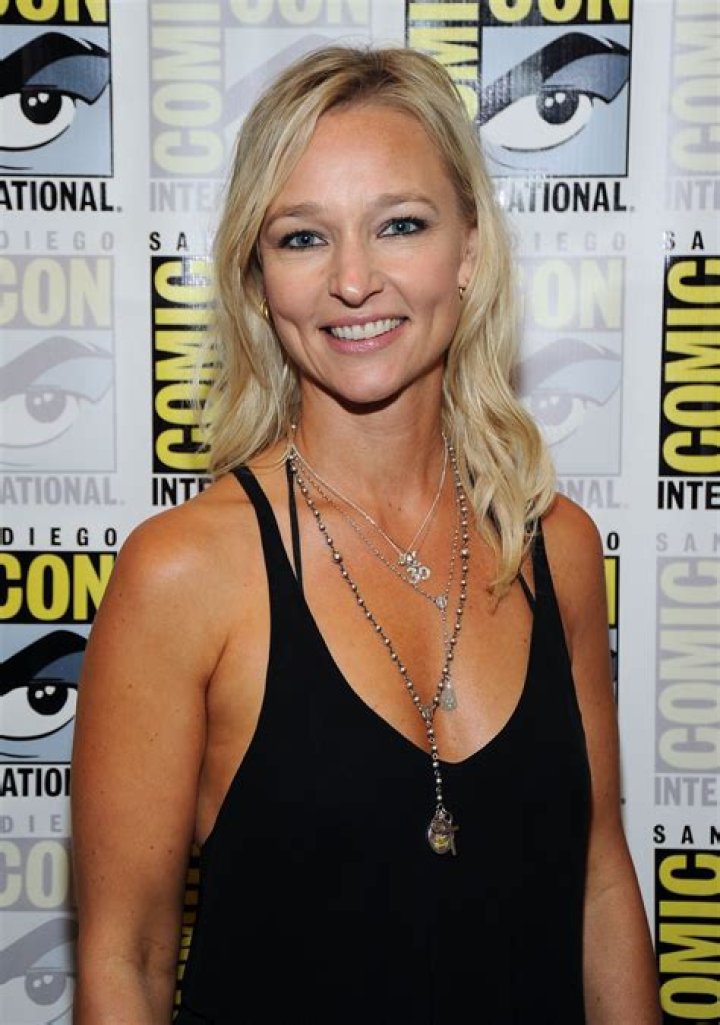
Age, Biography and Wiki
Nita A. Farahany was born on 28 April, 1978, is an American academic. Discover Nita A. Farahany's Biography, Age, Height, Physical Stats, Dating/Affairs, Family and career updates. Learn How rich is She in this year and how She spends money? Also learn how She earned most of networth at the age of 45 years old?
| Popular As | N/A |
| Occupation | N/A |
| Age | 45 years old |
| Zodiac Sign | Taurus |
| Born | 28 April, 1978 |
| Birthday | 28 April |
| Birthplace | N/A |
| Nationality |
We recommend you to check the complete list of Famous People born on 28 April. She is a member of famous with the age 45 years old group.
Nita A. Farahany Height, Weight & Measurements
At 45 years old, Nita A. Farahany height not available right now. We will update Nita A. Farahany's Height, weight, Body Measurements, Eye Color, Hair Color, Shoe & Dress size soon as possible.
| Physical Status | |
|---|---|
| Height | Not Available |
| Weight | Not Available |
| Body Measurements | Not Available |
| Eye Color | Not Available |
| Hair Color | Not Available |
Who Is Nita A. Farahany's Husband?
Her husband is Theodore Charles Loder, IV (m. October 27, 2012)
| Family | |
|---|---|
| Parents | Not Available |
| Husband | Theodore Charles Loder, IV (m. October 27, 2012) |
| Sibling | Not Available |
| Children | Not Available |
Nita A. Farahany Net Worth
Her net worth has been growing significantly in 2022-2023. So, how much is Nita A. Farahany worth at the age of 45 years old? Nita A. Farahany’s income source is mostly from being a successful . She is from . We have estimated Nita A. Farahany's net worth , money, salary, income, and assets.
| Net Worth in 2023 | $1 Million - $5 Million |
| Salary in 2023 | Under Review |
| Net Worth in 2022 | Pending |
| Salary in 2022 | Under Review |
| House | Not Available |
| Cars | Not Available |
| Source of Income |
Nita A. Farahany Social Network
Timeline
In November, 2018, Farahany gave a TED talk on the potential impact neurotechnology (decoding human thoughts) could have on societies around the world. She delved into the potential ethical obligations we, as a global society, must agree upon and how we might be able to codify and enforce said ethical decisions. Farahany poses the question: what value should be placed on the thoughts in our head and what rights should humans have to be able to decide when, if ever, those thoughts are shared. The implications behind technology that can read thoughts are already being realized in China where some workers are required to wear EEG machines under their hats in order to collect information on that worker's productivity, focus, and mood. Farahany stated her concern that society is not adapting as quickly as technology, opining "I think this is because people don't yet understand or believe the implications of this new brain-decoding technology. " To protect ourselves from advancing neurotechnology, Farahany suggests a right to cognitive liberty be recognized as a part of the Universal Declaration of Human Rights.
Nita A. Farahany is an Iranian-American professor and scholar on the ramifications of new technology on society, law, and ethics. She currently teaches Law and philosophy at Duke University where she is the founding director of Duke Initiative for Science and Society as well as a chair of the Bioethics and Science Policy MA program. She is active on many committees, counsels, and other groups within the law and bioethics communities with a focus on technologies that have increasing potential to have ethical and legal issues. In 2010 she was appointed by President Obama to the Presidential Commission for the Study of Bioethical Issues.
In 2010, Nita A. Farahany was appointed by President Obama to serve on the Presidential Commission for the Study of Bioethical Issues. This commission was created on November 24, 2009 by president Obama to advise him on ethical, legal, social and philosophical issues in the biosciences. Additionally, the commission proposed ethical legislation on conducting research, providing healthcare, and creating bio technology to regulate responsible action in these fields. In a statement about his executive order to create this commission, President Obama declared, “As our nation invests in science and innovation and pursues advances in biomedical research and health care, it’s imperative that we do so in a responsible manner.”
Farahany began her work at Vanderbilt University to complete her dissertation. However, in 2006, she continued working at Vanderbilt as an Assistant Professor of Law. She left in 2011 to become the Leah Kaplan Visiting Professor of Human Rights at Stanford Law.