After leaving college in 1981, he was given a part in the Common Stock play The Second Line (with jazz band The Mike Mower Quartet). He also performed in a play called The Christmas Game, and was with Common Stock until 1982. He was then in a TV episode of Rumpole of the Bailey in 1983. He then went to act in a play called Dr. No with the Moving Parts] theatre company in 1983, followed by a part in a play called Outlaw with Carib Theatre. In 1984 he joined the Half Moon Theatre company to perform in a play called Killabytes, and in the same year was given the lead part in Barrie Keeffe's play SUS at the Soho Polytechnic Theatre. Also in 1984, he was employed as one of the presenters on the award-winning ITV children's Saturday morning show, No.73, which he joined for the fourth and fifth series, playing a variety of characters, such as Eazi Target and Cardinal Richelieu in the programme's version of The Three Musketeers. He also played as an armed robber called Desmond Holt in Series 1, Episode 4 of The Bill (Long Odds, dir. John Michael Phillips) - with his sidekick a young Sean Bean. In 1986 he acted in a Barrie Keeffe drama for BBC Radio 4 called Frozen Assets. He was then given his first major film role, as Mr Cool in Absolute Beginners (dir. Julien Temple), based on Colin MacInnes' book of the same name (see Absolute Beginners). The film also starred David Bowie, James Fox and the singer Sade, and was a musical which explored the subject of the Notting Hill Race Riots which had happened in the Summer of 1958, just after Tony was born and living with his parents in the area. Hippolyte's character was jazz trumpeter Mr Cool, who becomes involved in the fight against the slum landlords and racist gangsters infiltrating the area. Following the release of the film, in 1986 he was given a central role in Prospects, the 12-part ITV serial of East End life, produced by Euston Films. He was then cast as Main Man in the BBC musical film Body Contact (1987), which also starred Timothy Spall and Joely Richardson. The film dealt with provocative subject matter such as racial violence, ghettoisation, corruption and community self-defence. In 1990, Hippolyte was given the lead role in the play Ragga (written and directed by Amani Napthali) in the form of a courtroom drama in which a black youth, Ragamuffin, is on trial for crimes against the African people; from Haiti to Broadwater Farm. The audience is asked to act as the jury, and must decide whether Ragamuffin is guilty of causing the criminalisation of black youth or whether his actions and attitudes are justified by the long history of oppression and prejudice he has endured. Hippolyte performed at Hackney Empire and Deptford Albany, and the play was both commercially and critically successful enough to be taken to London's West End. A year later, he played Ibo the sound engineer in the BBC musical drama film Hallelujah Anyhow starring Dona Croll (dir. Matthew Jacobs, 1991), which was the story of a strong preacher woman at a Gospel Church in London whose life is turned upside down by the re-appearance - after many years - of her son's father. He was involved in a film written and directed for Pimlico Arts and Media called Unexpected Party (1989) Hippolyte can also be seen in a couple of roles in Le Bohemian Noir et la Renaissance Del Afrique (dir. Amani Napthali, 1990). Naphtali, the theatre director, filmmaker and early affiliate of Soul II Soul artist collective, who had met Hippolyte at drama college, captures a 'renaissance moment' in the Black Arts Movement of late 1980s Camden Town in this short avant-garde film. In 1993, Hippolyte played the role of a demonic father in a play called Hunting the Dead Daughter (dir. Clare McColgan, who was later CEO of the Liverpool Capital of Culture) by playwright Nick Owen at Liverpool's Everyman Theatre. He wrote a testimonial to Tony which was read at his funeral.
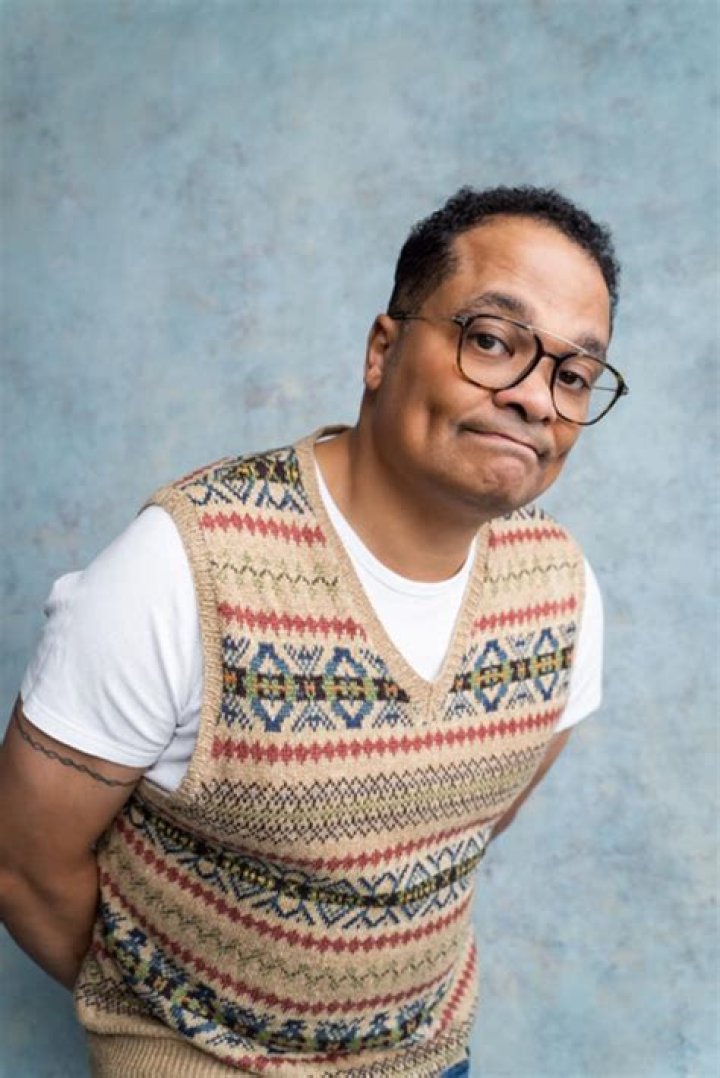
Tony Hippolyte Biography, Age, Height, Wife, Net Worth, Family
|